Market integrity
What makes a carbon credit project credible before the first credit exists?
A business-friendly explanation of the evidence, monitoring, safeguards, independent checks, and claims serious buyers expect.
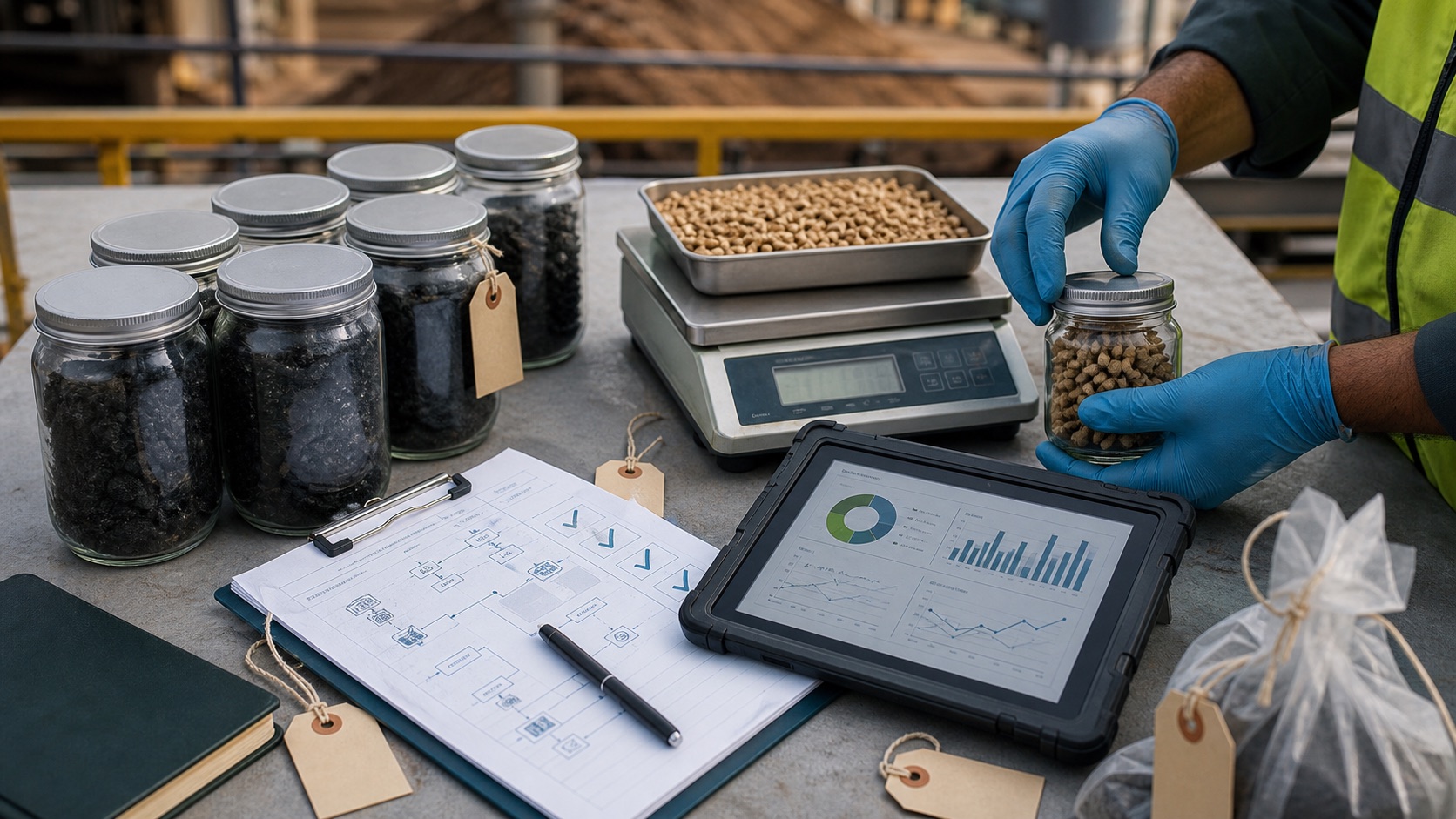
Integrity is a project design discipline
High-integrity carbon credits depend on more than a registry name or a sustainability story. The ICVCM Assessment Framework describes principles including robust quantification, additionality, permanence, no double counting, sustainable-development benefits and safeguards, effective governance, transparency, tracking, and independent validation and verification.
Project teams can apply the same logic before the first credit exists.
A specific and credible baseline
The project must define what would happen without the activity and why that scenario is credible. Baselines should use evidence relevant to the project, remain conservative where uncertainty exists, and be updated when programme or methodology rules require it.
Demonstrated additionality
An emission reduction or removal should not be credited if it would occur anyway under the applicable rules. Additionality assessments may consider investment barriers, alternatives, regulation, common practice, and other tests defined by the methodology. The evidence should pre-date or align with material investment and implementation decisions.
Complete project boundaries
Boundaries determine which sources, sinks, reservoirs, activities, locations, periods, counterparties, and gases are included. Excluding inconvenient emissions, transport, leakage, or losses can undermine quantification and buyer confidence.
Monitoring that operators can sustain
The monitoring plan must work in the facility, field, laboratory, logistics chain, and contracts—not only in the project document. Data owners, instruments, sampling, calibration, quality checks, missing-data procedures, retention, and audit access should be clear before the monitoring period begins.
Independent validation and verification
Project developers prepare and coordinate the project. Independent bodies assess project design and reported outcomes. Programmes and registries apply their rules. Keeping these roles distinct protects credibility; advisory support should not be described as independent assurance.
Safeguards and stakeholder reality
Projects can create environmental and social risks alongside climate benefits. Feedstock sourcing, land, air emissions, water, worker safety, community impacts, benefit sharing, grievances, and local law need real operating controls and evidence.
Transparent commercial claims
Use precise language for forecast, validated, registered, verified, issued, sold, and retired outcomes. Do not market forecast units as issued credits or imply a buyer has retired a credit unless the registry record supports that claim.
A practical development gate
Before full development, ask whether the project can demonstrate:
- an applicable current methodology;
- a specific baseline and additionality case;
- enforceable data and carbon rights;
- measurable, auditable operations;
- manageable safeguard and delivery risks;
- conservative economics after deductions, costs, and delay;
- clear independent-party roles;
- claims that match the actual project stage.
A project that cannot pass these gates may need operational changes, better contracts, more data, a different methodology, or a decision not to proceed.