Project screening
Is your biochar plant ready for carbon credits? Ten questions to ask
A practical first check for Indian biochar producers before spending on project documentation, independent review, or registry work.
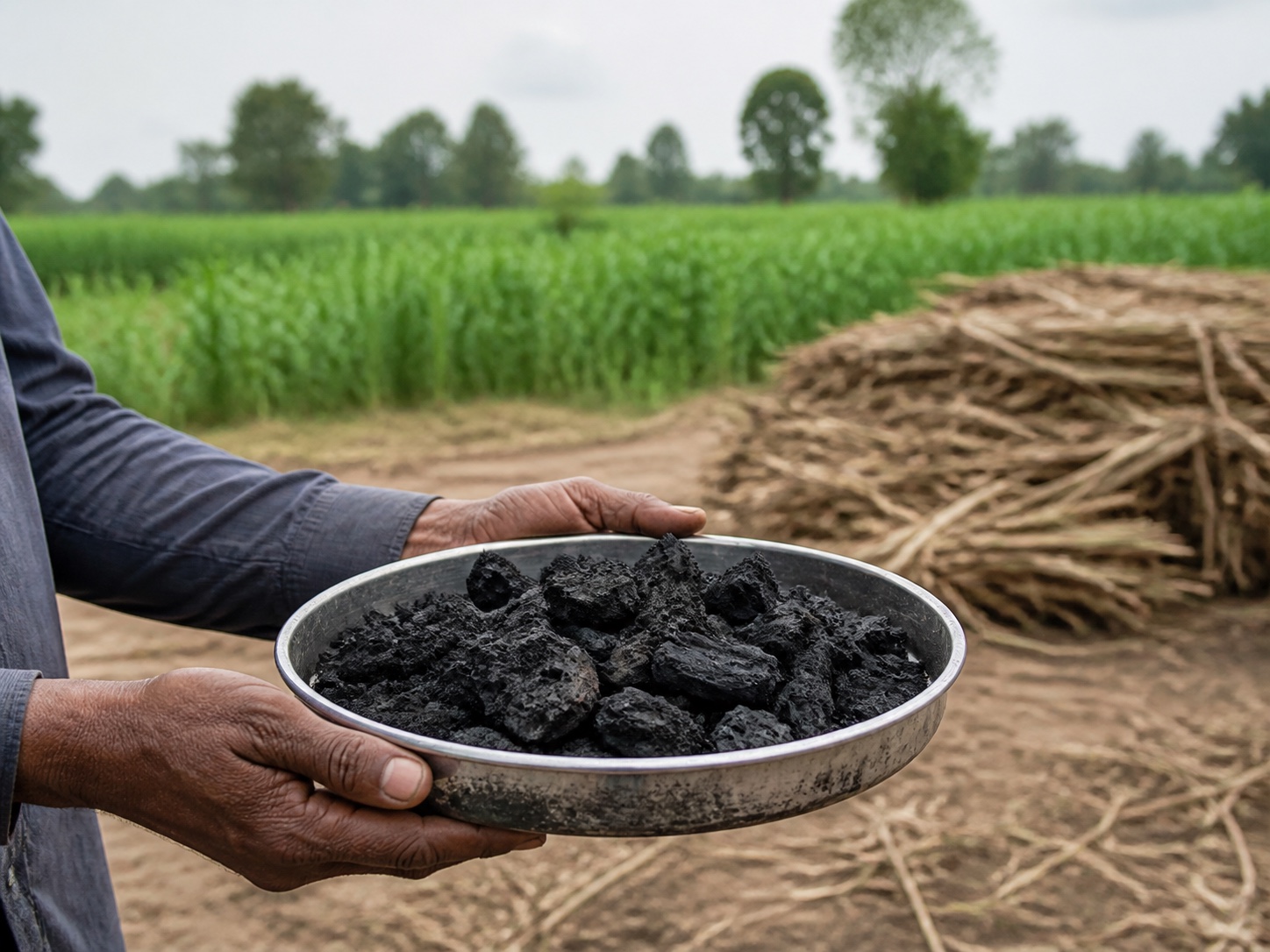
Ten questions before full project development
This checklist is a pre-feasibility tool. A positive answer does not guarantee eligibility or issuance, but weak answers identify the work needed before spending on a project description, validation, or registry process. The Verra biochar methodology FAQs provide useful context on feedstock, production, project boundaries, and eligible end uses.
1. What exactly is the feedstock?
Can you document origin, composition, legal sourcing, historical use, competing uses, storage, moisture, transport, and chain of custody?
2. Is it eligible under the current methodology?
Do not rely on a past project or a vendor statement. Test the specific material and sourcing situation against the version that would govern listing and validation.
3. What is the facility status?
Record site, ownership, technology, commissioning history, capacity, permits, construction and investment decisions, and whether the facility satisfies current applicability conditions.
4. Why would the project not happen without carbon finance?
Preserve dated budgets, board papers, funding constraints, alternatives, commercial assumptions, and investment decisions. Additionality cannot be added convincingly after the fact.
5. Can production be measured by batch?
Assess weighment, timestamps, feedstock lots, energy use, process conditions, yields, downtime, rejects, storage, and reconciliations.
6. Can biochar quality be demonstrated consistently?
Define representative sampling, qualified laboratories, test methods, frequency, custody, failed tests, and how results connect to production lots.
7. Where does the biochar go?
The project needs evidence of eligible end use, quantities, locations, counterparties, timing, transport, losses, and final application. An intermediate sale may not be enough to establish the carbon sink.
8. Who controls the evidence?
Map data and document rights across the producer, feedstock suppliers, laboratories, logistics providers, distributors, end users, and project partner.
9. Are safeguards operational?
Review environmental permits, worker safety, dust and fire controls, community impacts, land and feedstock risks, grievance mechanisms, and applicable stakeholder requirements.
10. Do the economics survive conservative assumptions?
Model eligible production rather than nameplate capacity. Include monitoring, laboratories, validation, verification, registry costs, deductions, delays, development fees, taxes, contracting, and uncertain credit prices.
The useful output is a decision
A readiness screen should end with one of three outcomes: proceed to detailed feasibility, redesign specific operating or contractual elements, or stop the carbon pathway for now. A clear "not yet" is more valuable than an optimistic project that fails during validation.