
Turning agricultural residue into verified climate value
Residue should
not be burned.
Every season, crop residue becomes smoke because burning is the cheapest option available. CarbonPod exists to build and finance the alternatives that aren't.
Burning is the default because nothing else pays yet.
Collection, aggregation, and offtake all cost money that nobody is currently paid for. That gap is what keeps the match in hand.
⚑ These are the constraints every credible alternative has to solve. Project-specific evidence comes before any public number or credit claim.
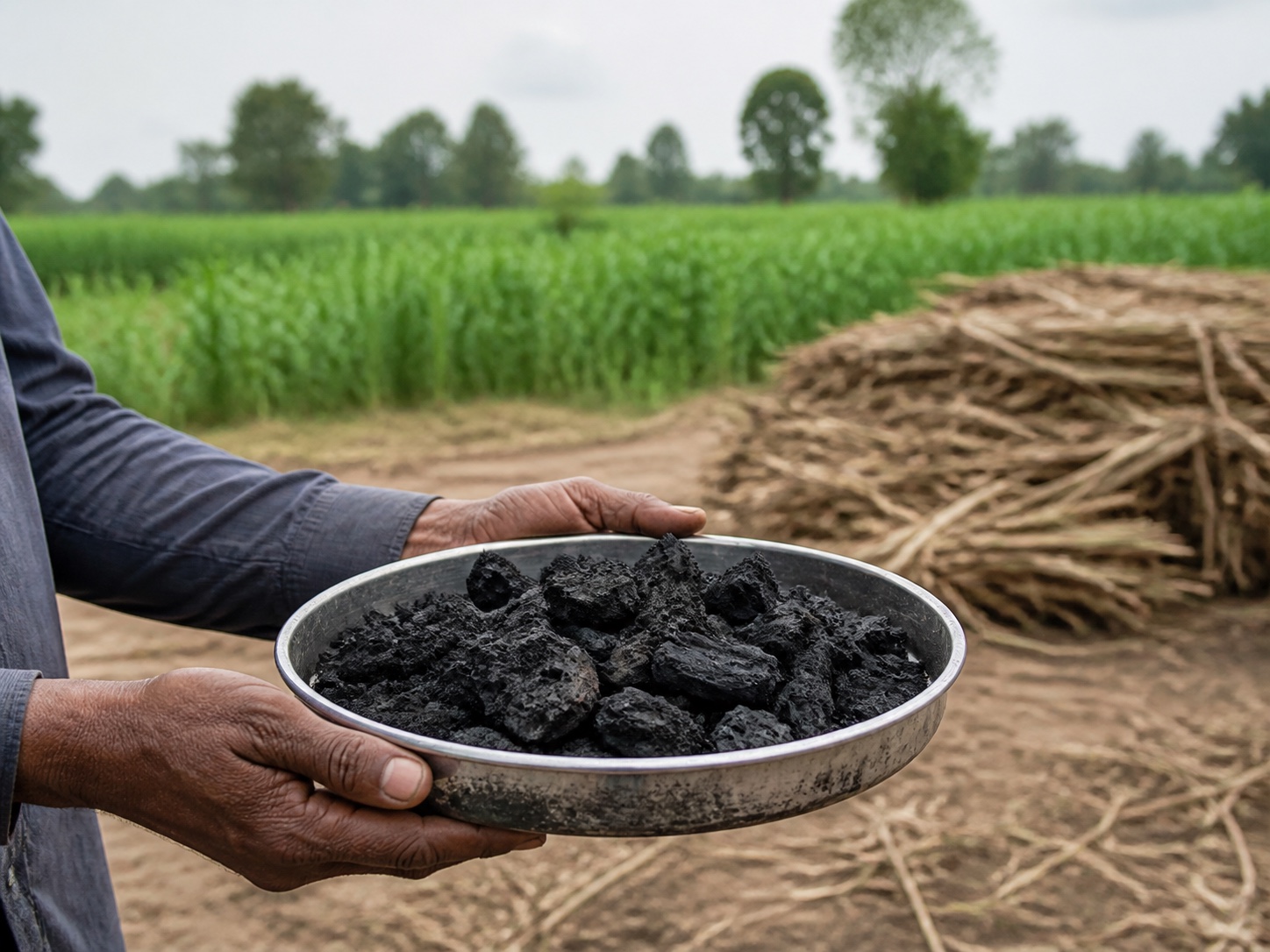
Carbon finance is the mechanism. Not the mission.
Collection, aggregation, and offtake all cost money that nobody is currently paid for. Carbon finance is the mechanism that can close that gap — which is why CarbonPod builds carbon projects, and not why it exists.
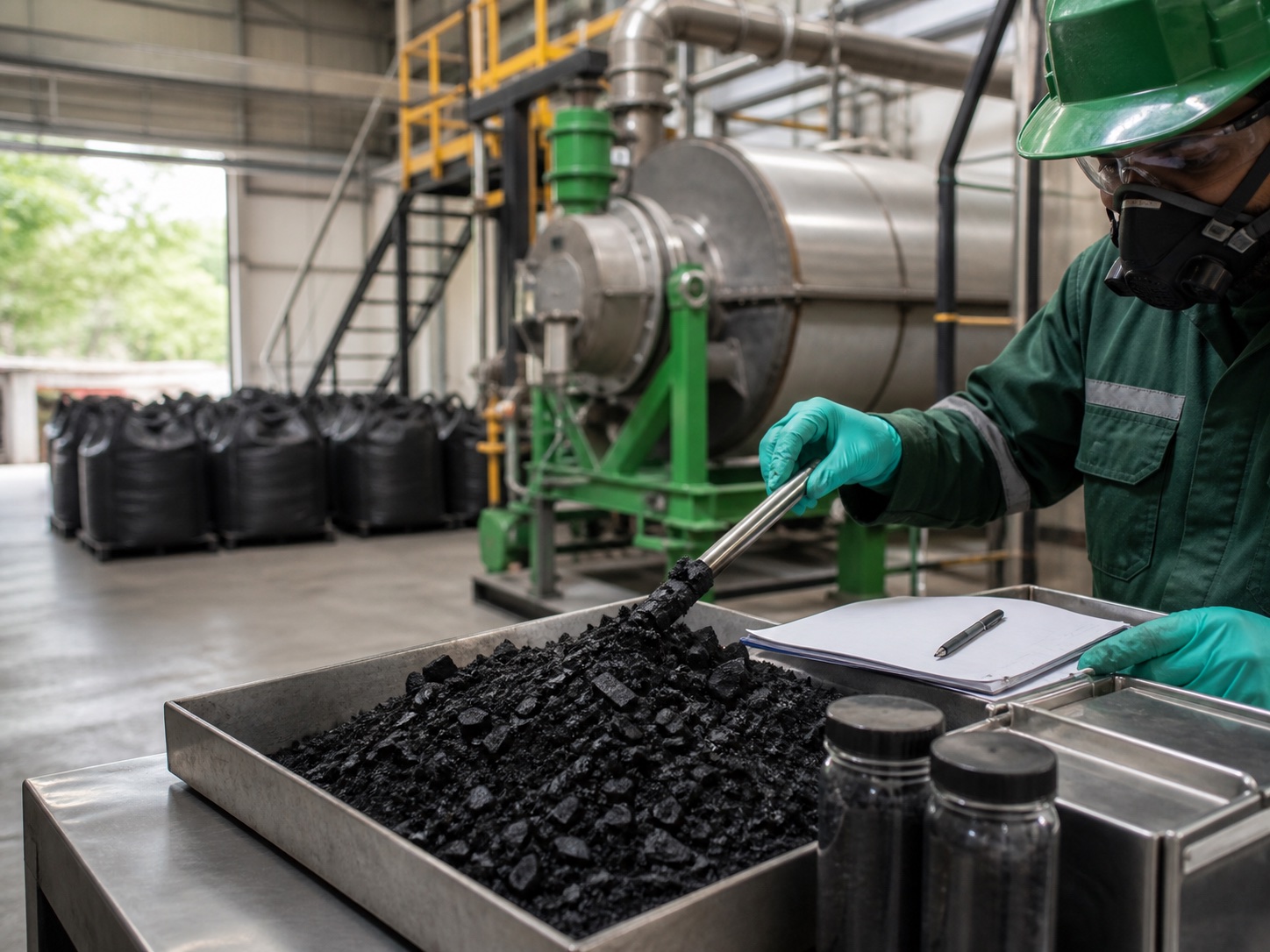
⚑ Illustrative flow only — actual quantities depend on feedstock, technology, end use, and the applicable methodology.
India has the residue. We build the trusted path from it to market.
We help transform residue into products such as biochar and biomass pellets through responsible, traceable projects. We partner with operators, build the carbon project, establish monitoring and evidence, coordinate verification, and unlock carbon finance to help these alternatives grow. Carbon credits and additional revenue are the tools that make the alternative pay — they are not the reason we do this.
See it in practice
See what one tonne of residue becomes.
Biochar and biomass pellets, built as traceable carbon projects with the operators already running the plant.